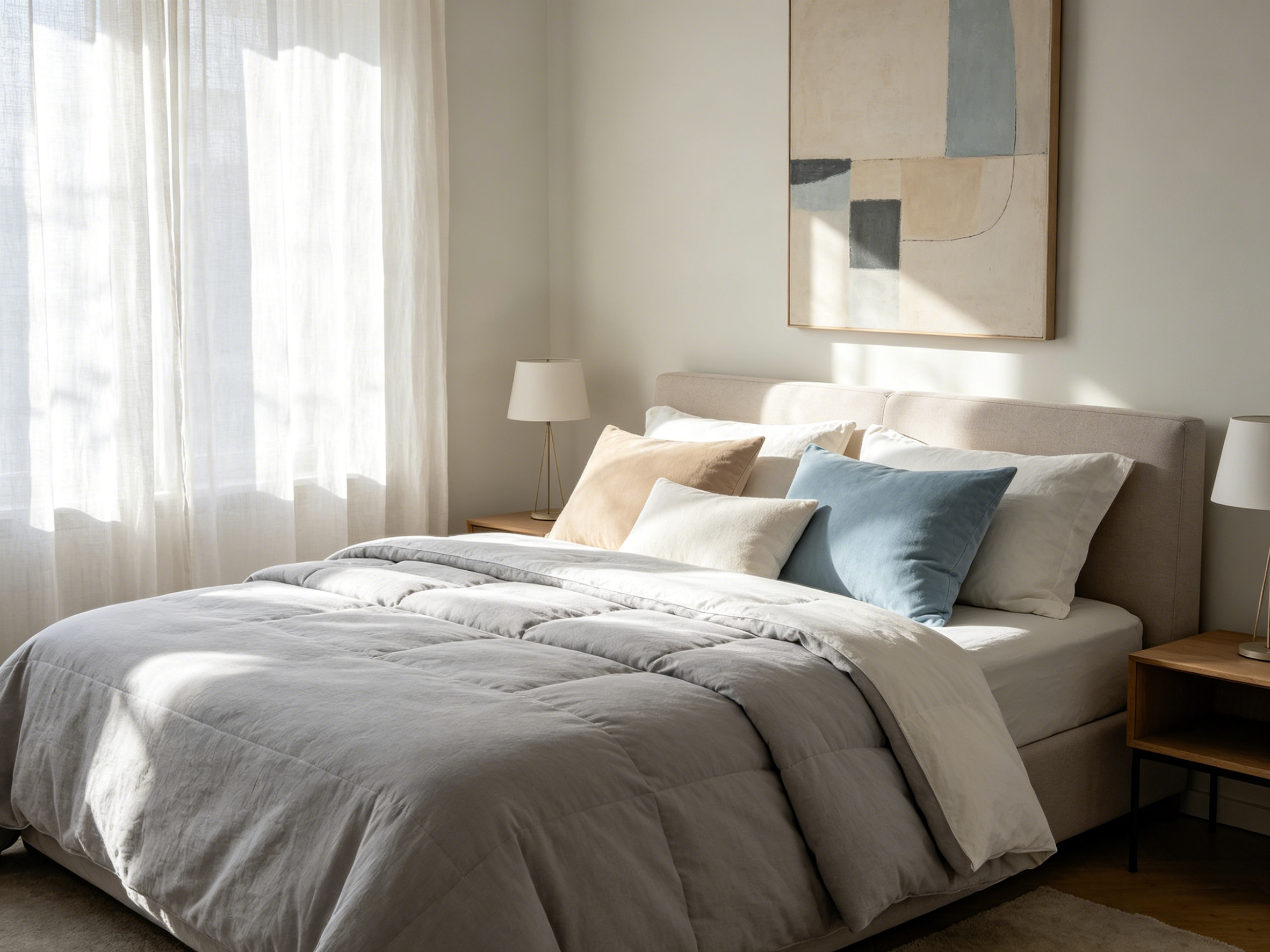






How to Choose the Right Bedding Fabric: A Guide to Comfort and Style
We spend a third of our lives sleeping—so why settle for bedding that’s anything less than perfectly comfortable? The right bedding doesn’t just elevate your bedroom’s style; it’s the foundation of deep, restorative sleep. Soft sheets that glide against your skin, a supportive comforter that keeps you cozy without overheating, and pillows that cradle your head just right—these small details come together to create nights of rest you’ll wake up grateful for. Today, we’ll explore what makes bedding truly comfortable, the key fabrics and features to prioritize, and how to select pieces that turn your bed into a luxurious retreat, all aligned with timeless Euro-American design sensibilities.
Comfort in bedding is subjective, but there are universal elements that elevate any set: fabric quality, breathability, texture, and fit. Unlike fleeting trendy designs, high-quality, comfortable bedding is an investment—one that pays off in better sleep, reduced stress, and a bedroom that feels like a calm, inviting sanctuary. Whether you prefer crisp, cool sheets for warm nights or plush, cozy layers for colder weather, understanding what makes bedding comfortable will help you curate a sleep space that suits your body and style.
The Fabric Factor: The Foundation of Bedding Comfort
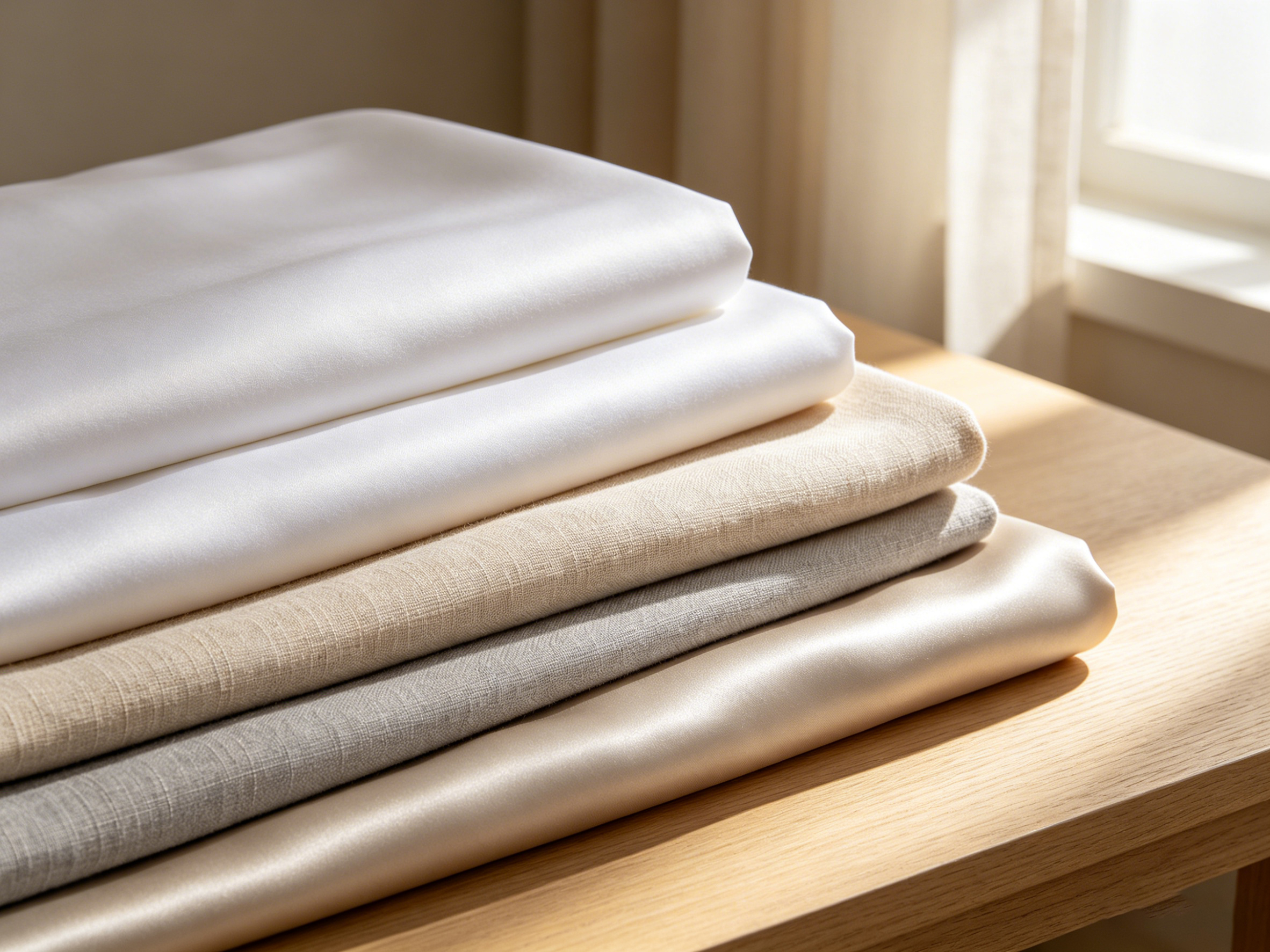
When it comes to bedding comfort, fabric is everything. The material of your sheets, comforters, and pillowcases dictates how they feel against your skin, how well they regulate temperature, and how long they stay soft and cozy. Below are the most popular, comfort-focused fabrics for bedding—perfect for Euro-American homes that prioritize both style and functionality:
1. Egyptian Cotton: Crisp, Soft, and Timeless
Egyptian cotton is synonymous with luxury and comfort—and for good reason. Sourced from the Nile River Valley, this cotton features extra-long staple fibers that create a smooth, durable fabric with a subtle sheen. Egyptian cotton sheets are crisp yet soft, breathable, and highly absorbent, making them ideal for year-round use. They grow softer with each wash, maintaining their quality for years when cared for properly. For European and American bedrooms, Egyptian cotton is a classic choice—its clean, refined texture complements both modern and traditional decor, while its comfort ensures a restful night’s sleep.
Look for sheets labeled “100% Egyptian cotton” with a thread count between 300–600 (higher thread counts aren’t always better—prioritize fiber quality over numbers). Avoid blends, as they can compromise the fabric’s breathability and softness.
2. Linen: Breathable, Relaxed, and Perfect for Warm Weather
Linen has become a staple in Euro-American bedding for its effortless style and unbeatable breathability. Made from flax plant fibers, linen is lightweight, moisture-wicking, and naturally cooling—ideal for hot sleepers or warm climates. It boasts a relaxed, slightly wrinkled texture that adds warmth and character to any bedroom, fitting perfectly with the casual-yet-luxurious aesthetic popular in European and American homes.
Linen bedding is soft to the touch and grows even softer over time. It’s also durable and hypoallergenic, making it a great choice for sensitive skin. While linen wrinkles easily, that’s part of its charm—no need to iron; the relaxed look is part of its appeal. For a cozy twist, opt for linen-cotton blends, which combine linen’s breathability with cotton’s softness.
3. Silk: Luxurious, Gentle, and Perfect for Sensitive Skin
For the ultimate in indulgent comfort, silk bedding is unmatched. Silk is a natural protein fiber that’s incredibly soft, smooth, and gentle on the skin—perfect for those with sensitive skin or hair (it reduces friction, preventing tangles and irritation). Silk also regulates temperature: it keeps you cool in summer and warm in winter, making it a versatile choice for all seasons.
In European design, silk bedding adds a touch of elegance and luxury, often paired with neutral tones or subtle patterns to keep the space calm and sophisticated. While silk requires a bit more care (hand washing or gentle machine washing is recommended), its comfort and longevity make it worth the effort. Look for 100% mulberry silk for the highest quality and softest feel.
4. Microfiber: Soft, Affordable, and Low-Maintenance
For those who prioritize easy care and affordability without sacrificing comfort, microfiber is an excellent option. Made from ultra-fine synthetic fibers, microfiber bedding is incredibly soft, lightweight, and hypoallergenic. It’s also moisture-wicking and resistant to stains and wrinkles, making it perfect for busy households or anyone who wants low-maintenance bedding.
While microfiber isn’t as breathable as natural fabrics like cotton or linen, high-quality microfiber (look for 100% polyester or polyester blends with a tight weave) can still be comfortable for most sleepers. It’s a popular choice in American homes for its practicality and budget-friendly price point, and it comes in a wide range of colors and styles to match any decor.
Beyond Fabric: Other Features That Boost Bedding Comfort
Fabric is the foundation, but small design details can take bedding comfort to the next level. Here’s what to look for when shopping for comfortable bedding:
- Thread Count & Weave: Thread count refers to the number of threads per square inch, but it’s not the only measure of quality. A tight, even weave (like sateen for a smooth finish or percale for a crisp feel) is more important than a high thread count. Sateen weaves are soft and silky, while percale weaves are crisp and breathable.
- Fit: Sheets should fit your mattress snugly without slipping or bunching. Look for deep-pocket sheets (14–18 inches) if you have a thick mattress or mattress topper—this ensures they stay in place all night long.
- Comforter Weight: Choose a comforter weight that matches your climate and sleep preferences. Lightweight comforters (down or down-alternative) are perfect for summer or hot sleepers, while medium or heavyweight comforters are ideal for winter. Look for comforters with baffle boxes or channel stitching to keep the filling evenly distributed (no lumps!).
- Pillow Support: Pillows play a huge role in sleep comfort—they should support your neck and align your spine. Choose a pillow firmness based on your sleep position: soft for side sleepers, medium for back sleepers, and firm for stomach sleepers. Down or memory foam pillows are popular for their comfort and support.
Caring for Your Bedding to Preserve Comfort
To keep your bedding feeling soft and comfortable for years, proper care is key. Follow these tips:
- Wash new bedding before use: This removes any chemicals or residues from the manufacturing process and softens the fabric.
- Use gentle detergent: Harsh detergents can strip natural fibers of their softness. Opt for a mild, fragrance-free detergent for sensitive skin.
- Wash in cold or warm water: Hot water can shrink or damage fabrics like cotton, linen, and silk. Tumble dry on low heat or air dry for best results.
- Avoid over-drying: Over-drying can make fabrics stiff. Take sheets and pillowcases out of the dryer while they’re still slightly damp to keep them soft.
- At the end of the day, comfortable bedding is about more than just softness—it’s about creating a sleep space that feels safe, calm, and tailored to your needs. Whether you opt for the crisp luxury of Egyptian cotton, the relaxed comfort of linen, the indulgence of silk, or the practicality of microfiber, the right bedding will transform your nights and leave you feeling refreshed every morning.
- Your bed is your sanctuary—invest in bedding that makes you look forward to crawling into it each night. After all, a good night’s sleep is the best self-care you can give yourself.